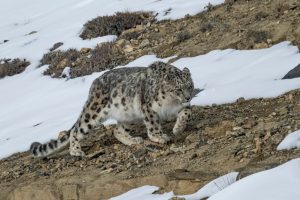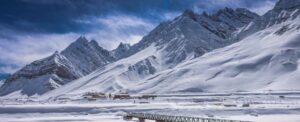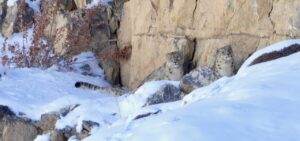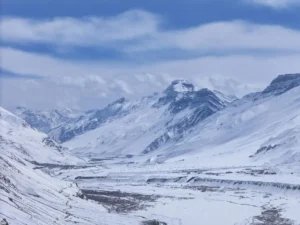
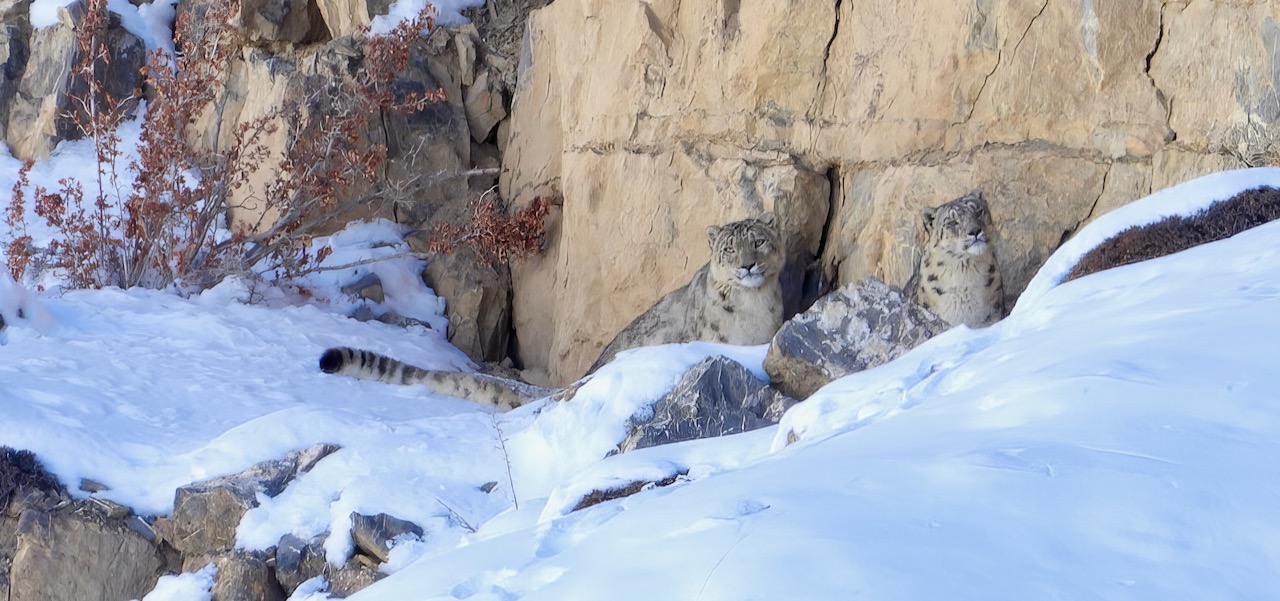
The Snow Leopard is one of the most difficult animals to spot on Earth. They are naturally shy, perfectly camouflaged against the gray rocks and white snow, and live in incredibly rugged terrain.
-
The Hunt for the Elusive: For a traveler, seeing a tiger in a national park is common, but seeing a Snow Leopard is a “once-in-a-lifetime” achievement.
-
The Challenge: The mystery surrounding them—being able to hear them or see their pugmarks but not the cat itself—creates a legendary status that attracts “bucket-list” travelers from across the globe.
2. Spiti as the “Global Capital” of Snow Leopards
While Snow Leopards are found across Central Asia, Spiti Valley (specifically the Kibber-Chicham area) has emerged as the best place in the world to actually see them.
-
High Density: The Kibber Wildlife Sanctuary and Pin Valley National Park have one of the highest densities of Snow Leopards in the world.
-
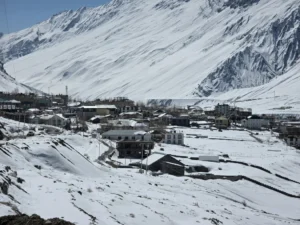
The “Winter Descent”: In the summer, they stay at altitudes of 5,000m+. However, in winter (December to March), their prey—the Blue Sheep (Bharal) and Siberian Ibex—descend to lower valleys near the villages to find grazing land. The leopards follow their food, bringing them within sight of human settlements.
3. The Incredible Transformation of Local Culture
Perhaps the most “human” reason they are an attraction is the story of conservation.
-
From Predators to Protectors: Decades ago, Snow Leopards were seen as pests because they would occasionally kill a villager’s sheep or goat.
-
The Homestay Revolution: Today, the people of Spiti have realized that a living Snow Leopard is worth much more than a dead one. They have built a community-led tourism model. The same villagers who once feared the cats are now the world’s best trackers and spotters, guiding tourists to see them safely.
4. A Dream for Wildlife Photography
In the era of Instagram and professional travel blogging, the Snow Leopard is the “Ultimate Shot.”
-
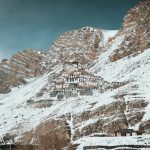
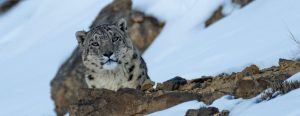
The Background: Unlike the brown/green forest backgrounds of other big cats, the Snow Leopard is photographed against dramatic, jagged white peaks and frozen waterfalls.
-
Behavioral Shots: In Spiti, photographers have captured rare footage of Snow Leopar
-
ds mating, hunting, and even playing with their cubs—sights that were almost never recorded 20 years ago.
5. It Powers the “Winter Spiti” Economy
Without the Snow Leopard, Spiti would have almost zero tourism in the winter.
-
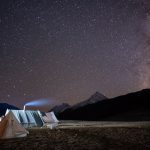
The Winter Anchor: The quest for the leopard is the only reason people are willing to brave -30°C temperatures, dry toilets, and frozen pipes.
-
High-Value Tourism: Snow Leopard expeditions are typically longer (10–15 days) and require specialized guides and 4×4 vehicles,
-
making them a high-revenue package for travel agencies.